

A Family Run Boutique Stay Nestled In The Sunshine Coast Hinterland
Perfectly Placed
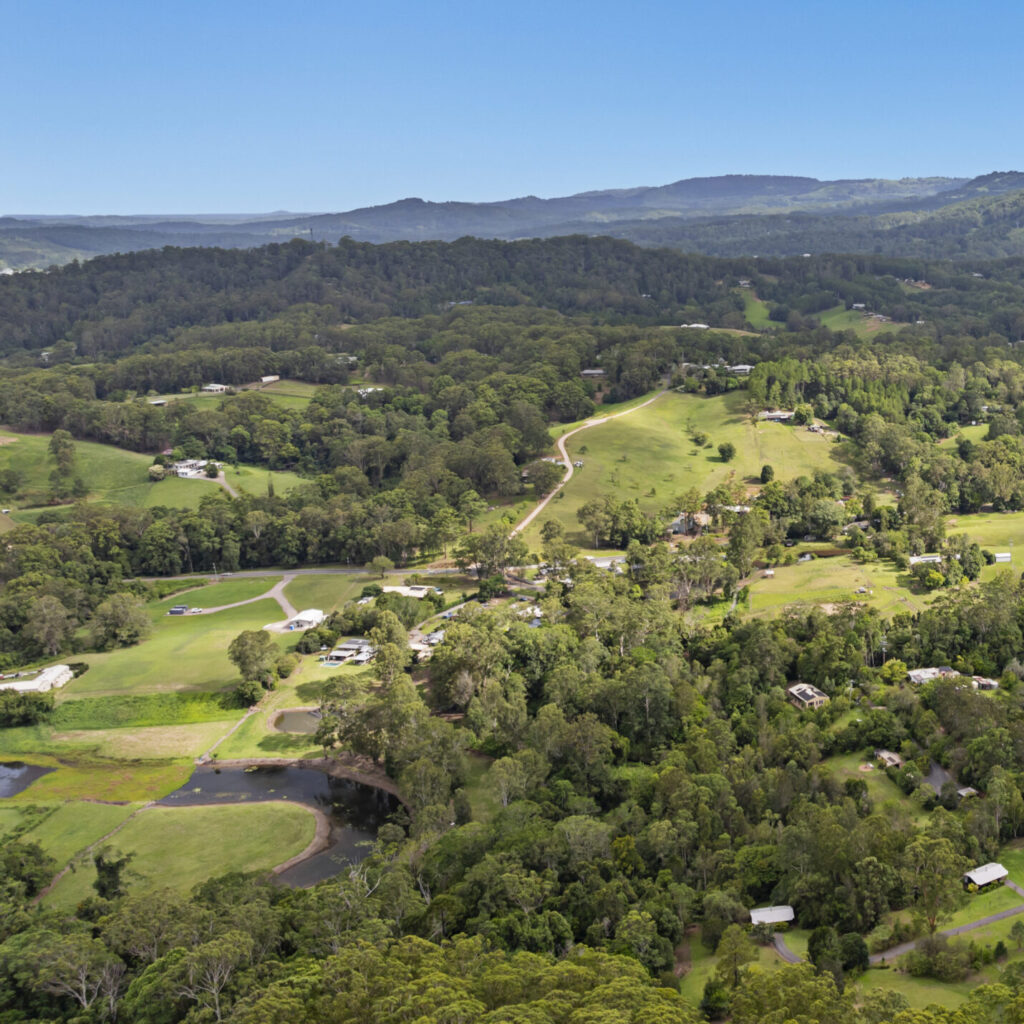
Nestled at the foothills of the Blackall Range, Starry Nights is a refined retreat set amidst the natural beauty of the Sunshine Coast Hinterland. Surrounded by rolling landscapes and a peaceful atmosphere, it offers a sense of seclusion and stillness—while remaining effortlessly connected to the region’s most sought-after destinations.
Perfectly positioned, you’re just moments from the best the Hinterland and coastline have to offer:
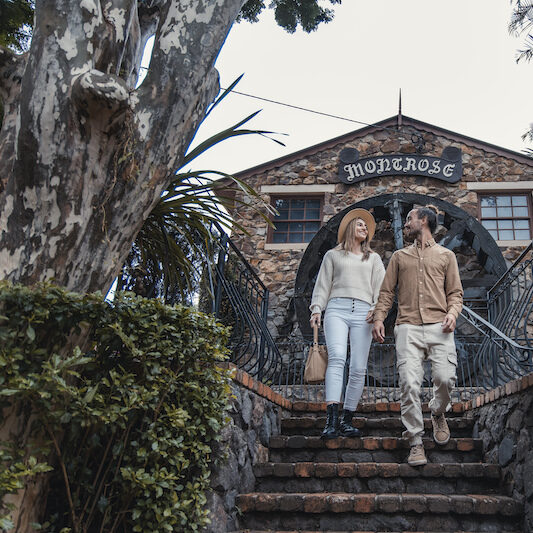
• 10 minutes to the picturesque village of Montville
• 12 minutes to the cascading Kondalilla Falls and National Park
• 20 minutes to the pristine shores of Alexandra Headland and Mooloolaba
• 25 minutes to the renowned Eumundi Markets
• 25 minutes to Maleny
• 30 minutes to Australia Zoo
Wildlife At Your Doorstep
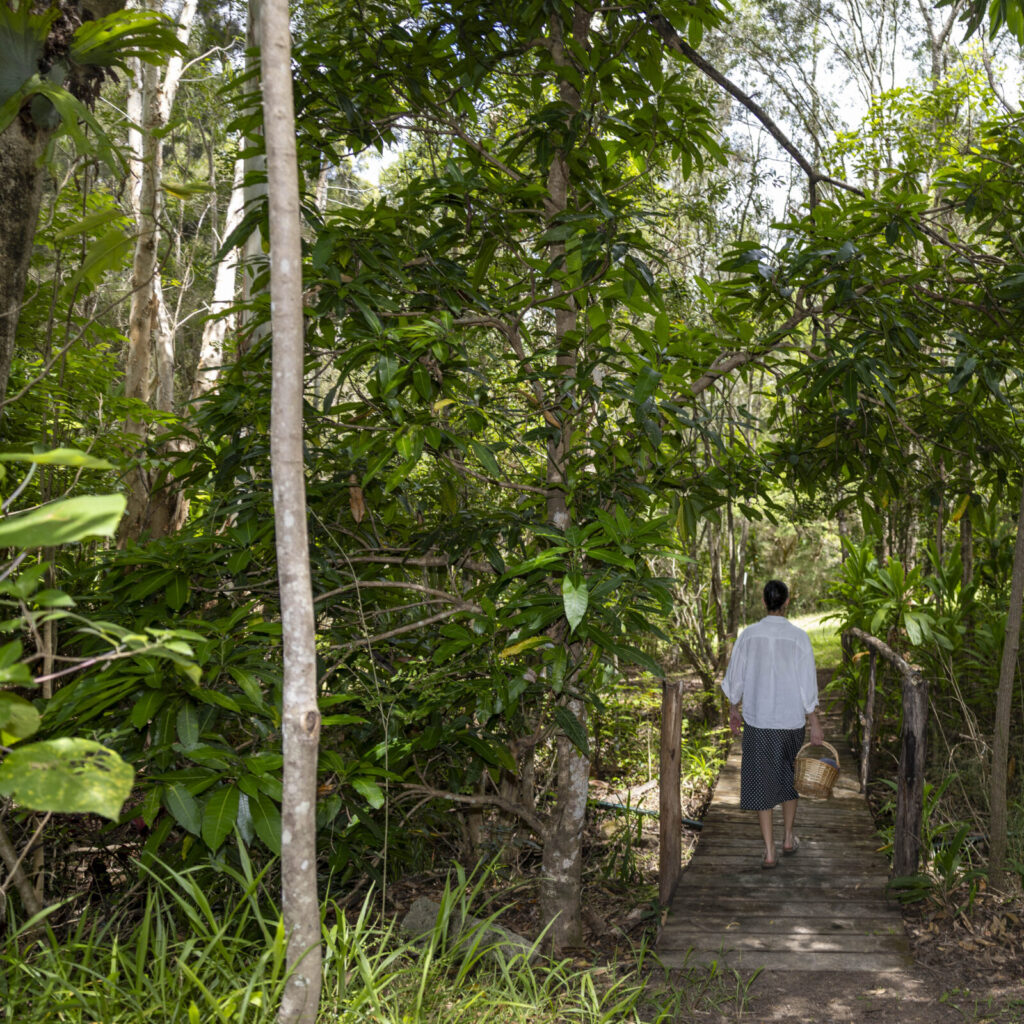
Perfect for wildlife lovers, this property offers a rare opportunity to live immersed in nature, surrounded by thriving native flora and fauna in a peaceful, protected setting.
The property owners have placed a perpetual vegetation covenant on the land, ensuring the forest remains untouched and undisturbed, preserving its natural beauty for generations to come. This protected corridor serves as a vital wildlife link, connecting nearby Triunia National Park to Petrie Creek and allowing native species to move safely through the landscape.
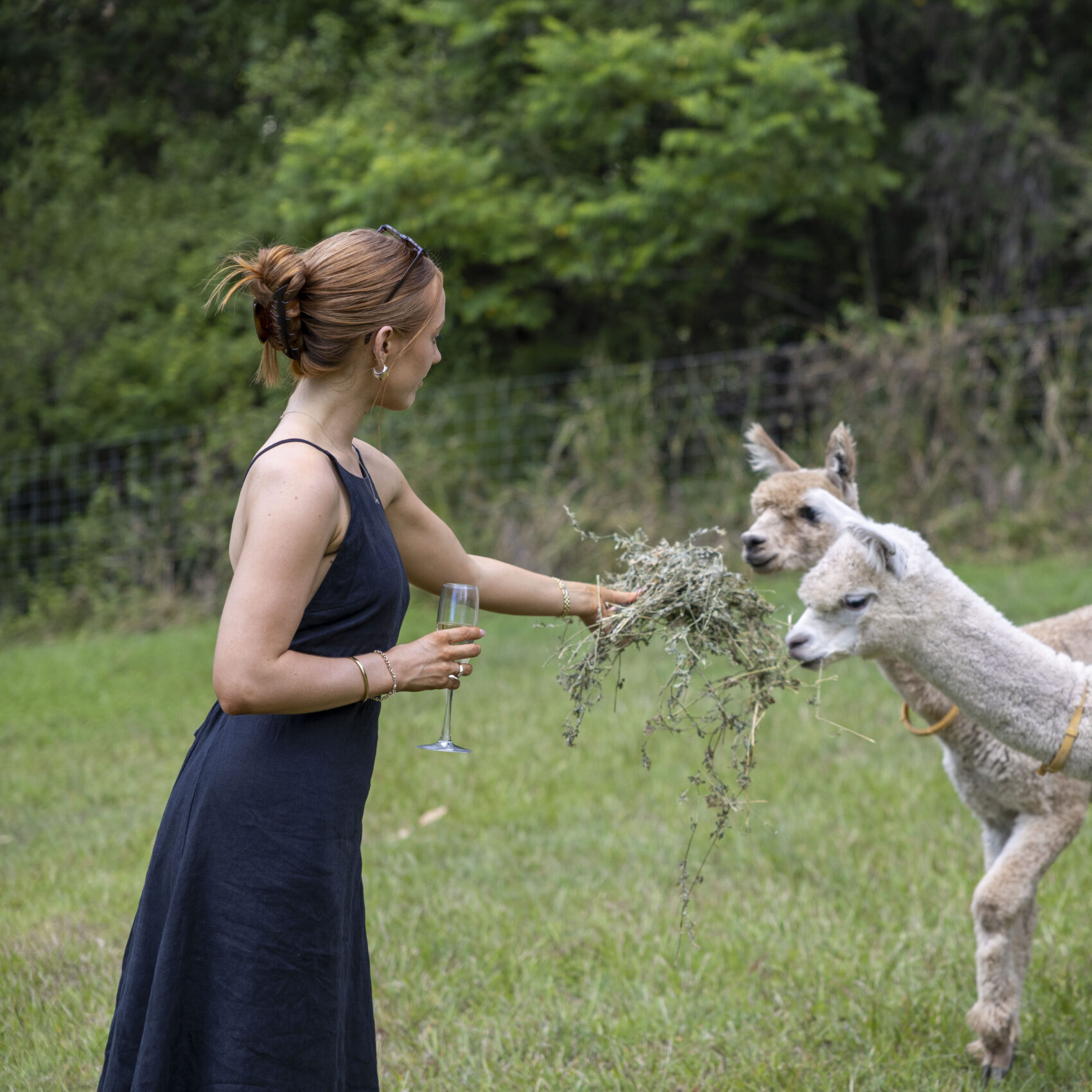
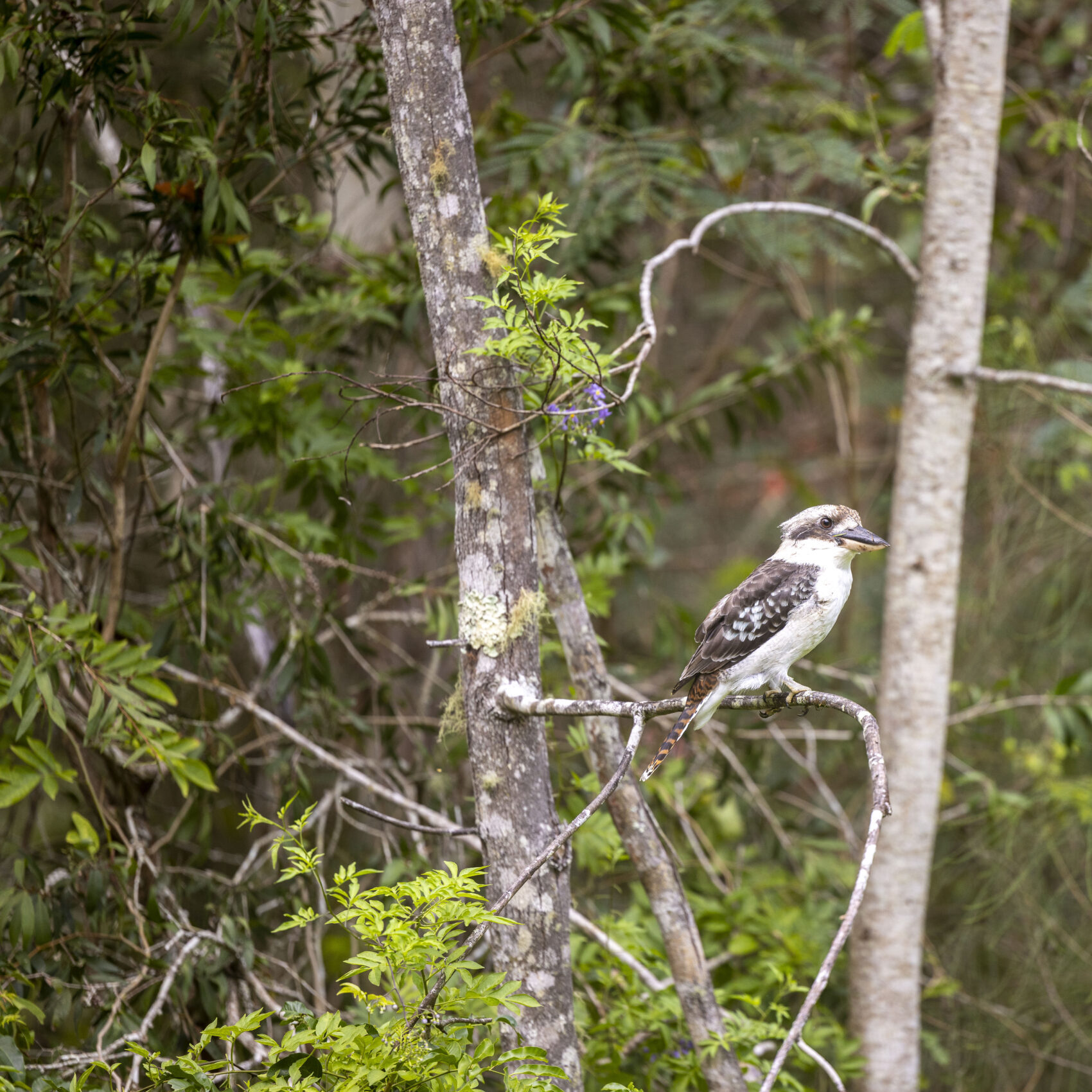
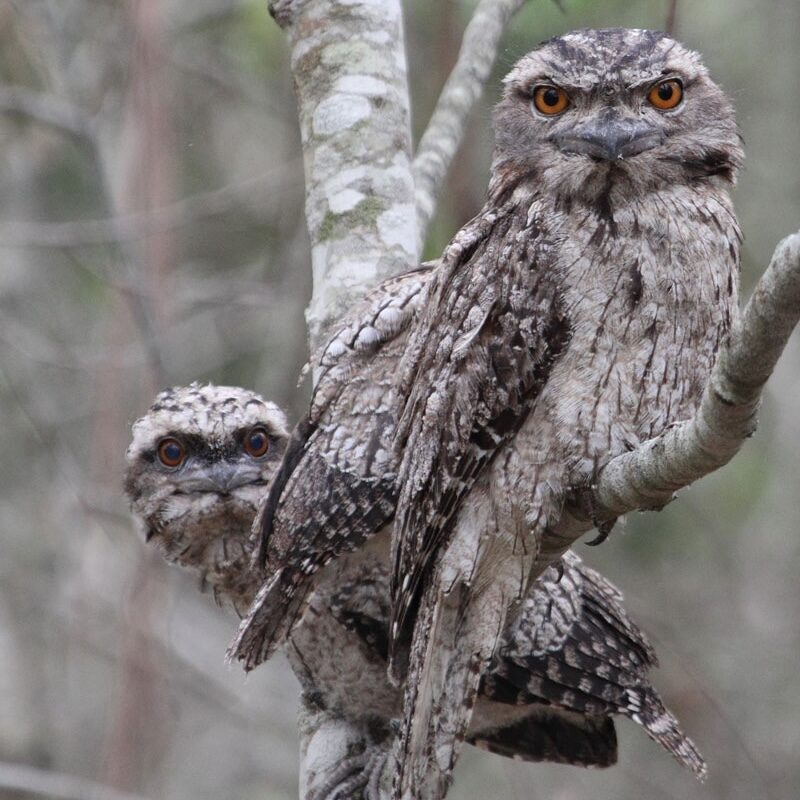
Petrie Creek itself is a pristine, spring-fed waterway with stony banks and a riverbed teeming with life. During your stay you may see Koalas, an array of bird species, kangaroos, tawny frogmouth owls, the occasional bush turkey, and even our resident alpacas and chickens (who provide a steady supply of fresh eggs) and all of which call Starry Nights home.

Sustainable By Design
Starry Nights is a genuine sustainable eco-accommodation property, minimising daily-emissions and with close to a zero-carbon footprint. The property is 95% off grid with an emergency feed to the power grid only.
Our sustainable approach includes the following initiatives
- Revegetation of areas affected by any development
- Over 4000 plants have been planted on the property
- Establishing local native plants in all revegetation
- Driven piles and shallow foundations only
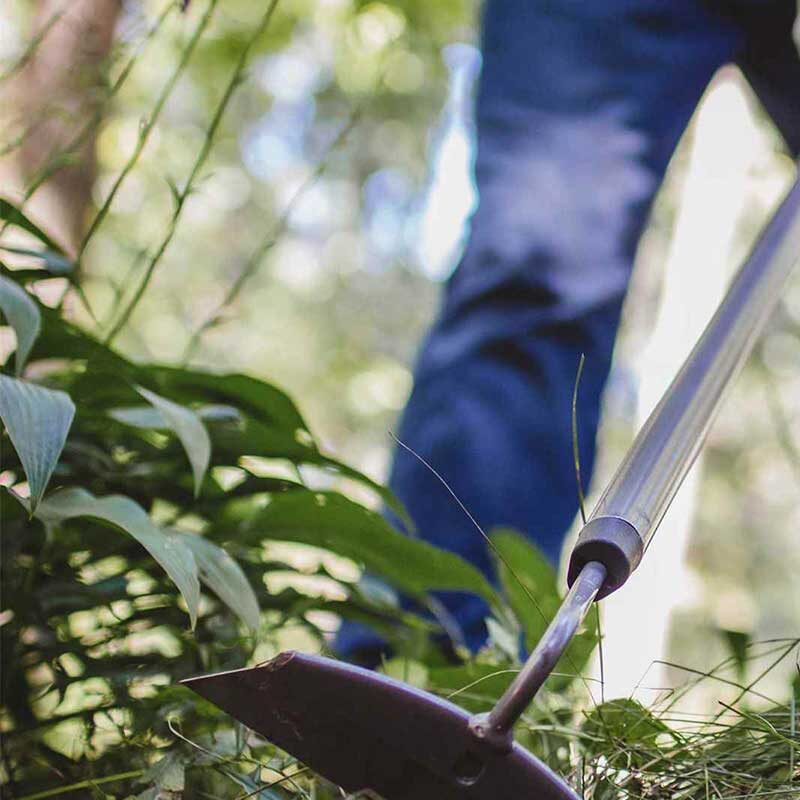
- Continuous removal of exotic plant species
- Recycling programs and use of recycled products
- No town water and no chlorine or fluoride
- Biodegradable cleaning agents
- No intentional feeding of wildlife
- Renewable electricity (solar electricity produced on-site)
- Practicing reuse, recycle, reduce and recover programs
- Decreasing transport emissions through bulk buying
- Decreasing water use, low-flow fittings, low-water toilets
- Decreasing noise and environmental pollution
- Use of biodegradable toiletries and organic cleaning agents
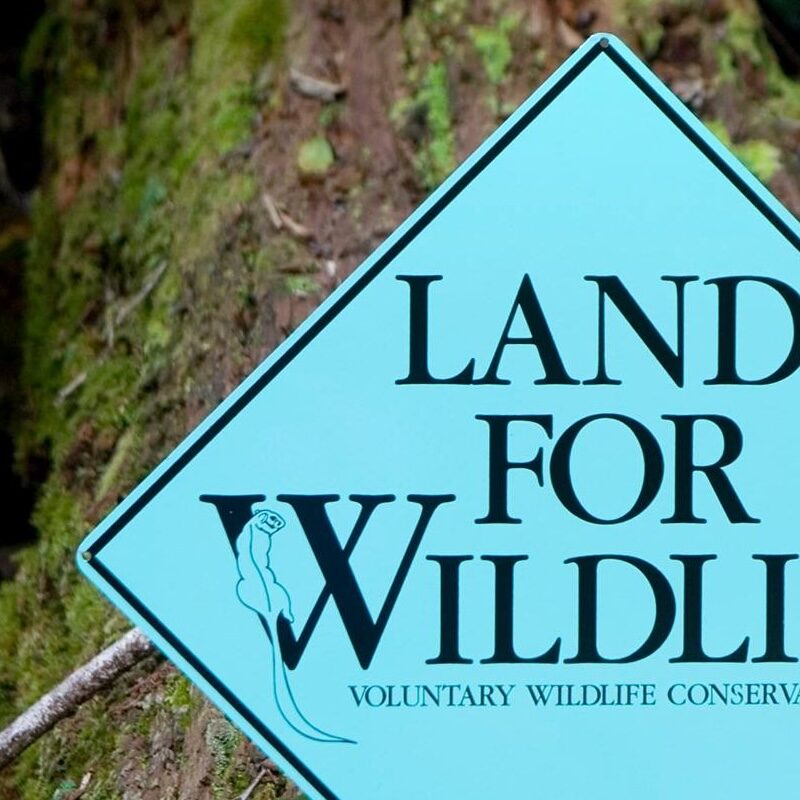
- Member of Land for Wildlife
- Conservation and progressive restoration of the rainforest
Forged In The Forest
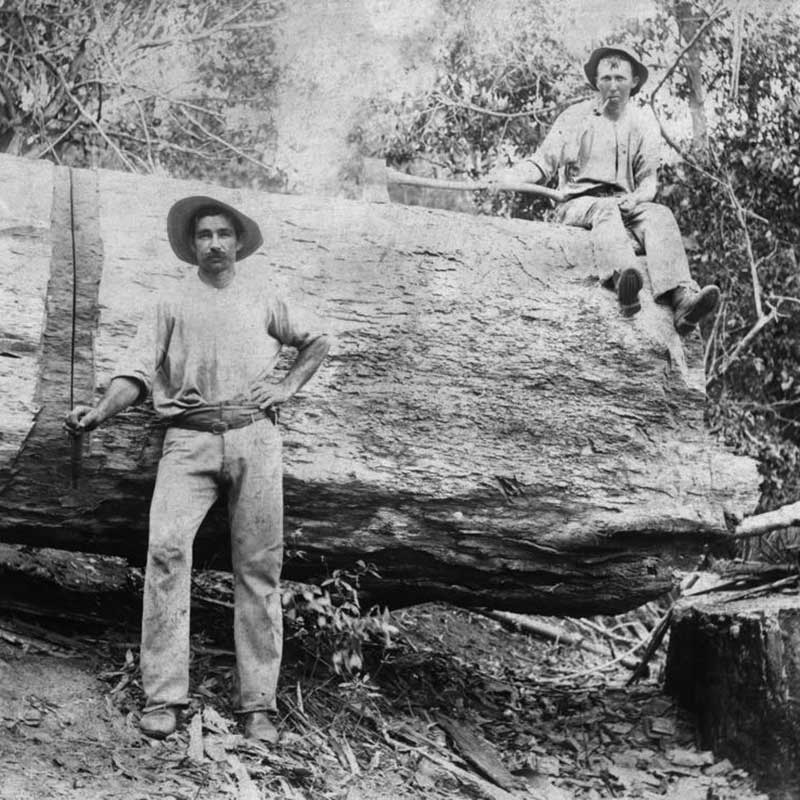
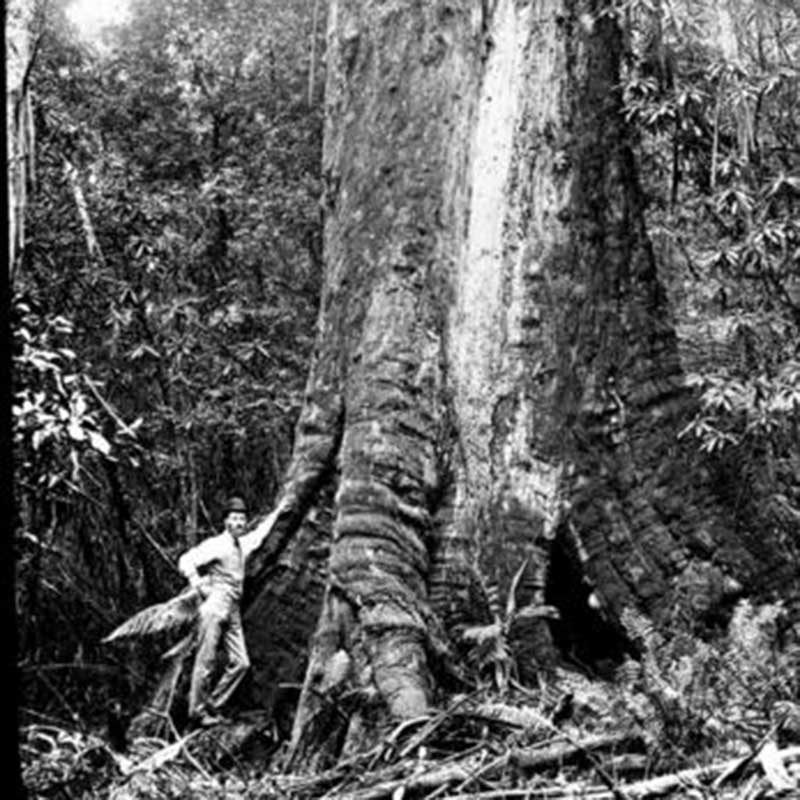
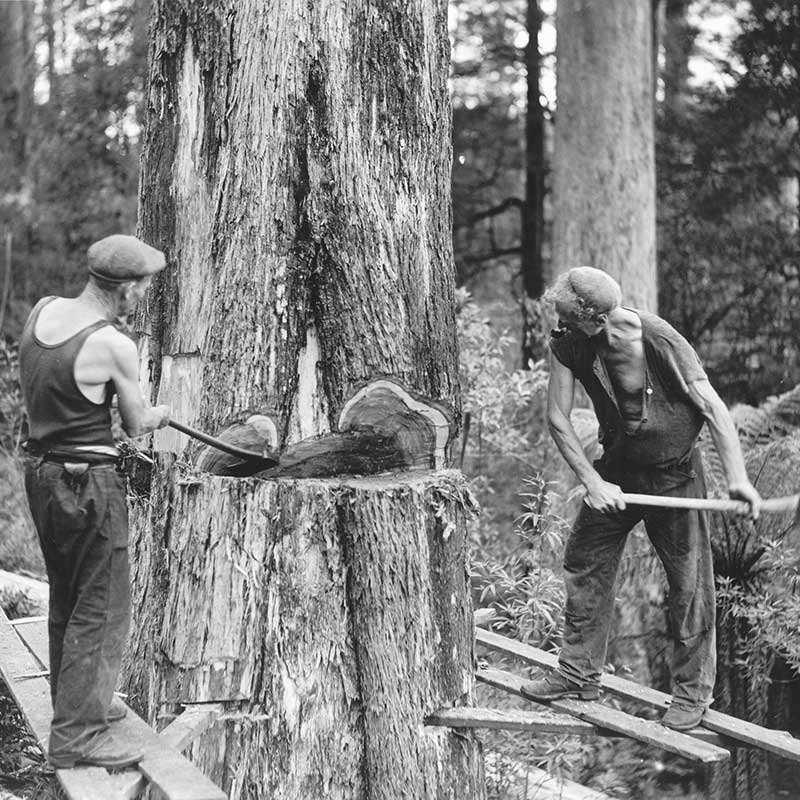
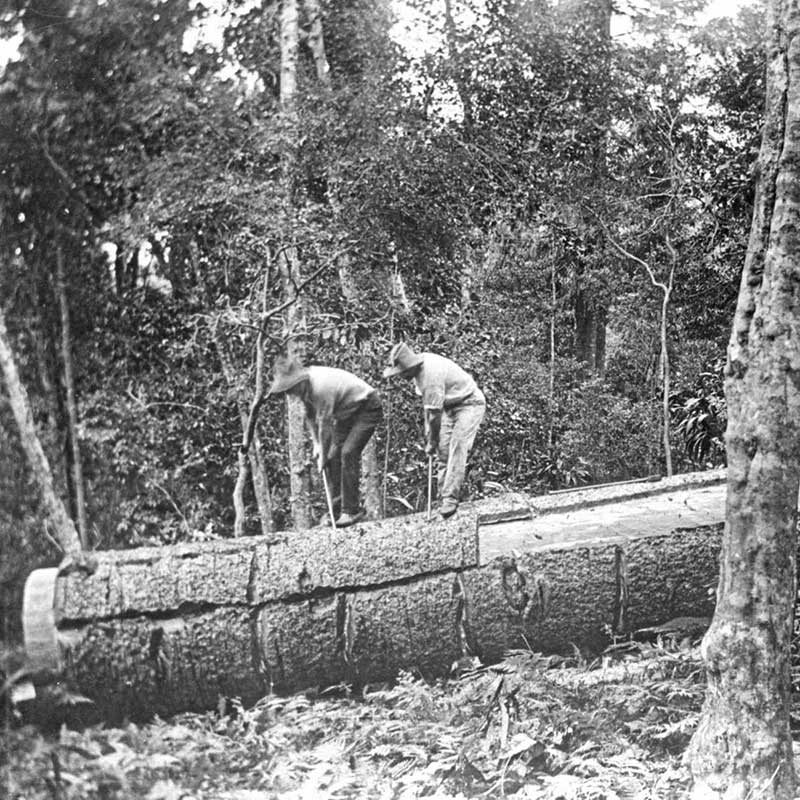
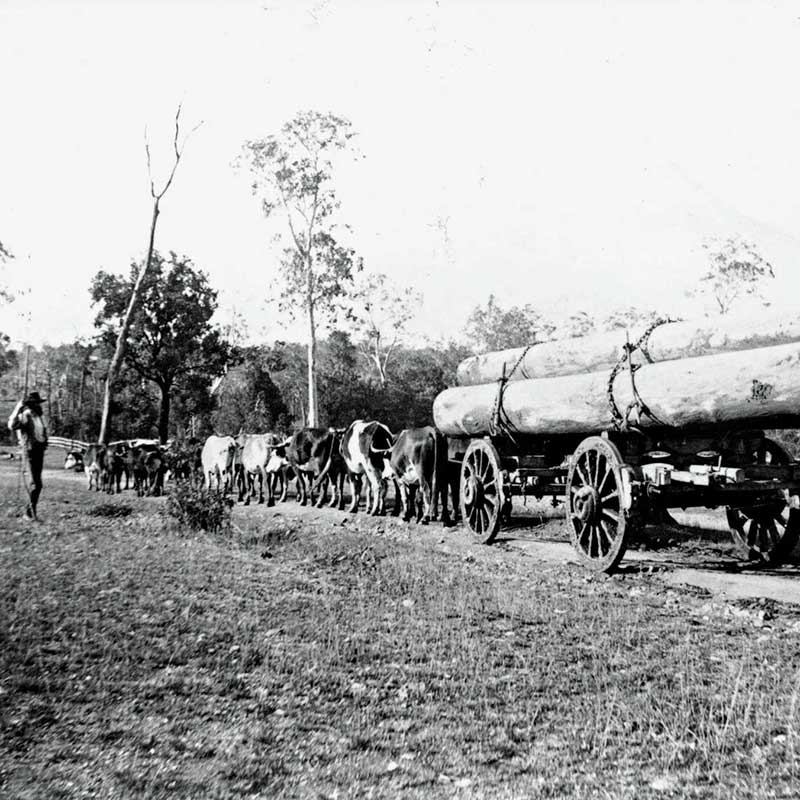
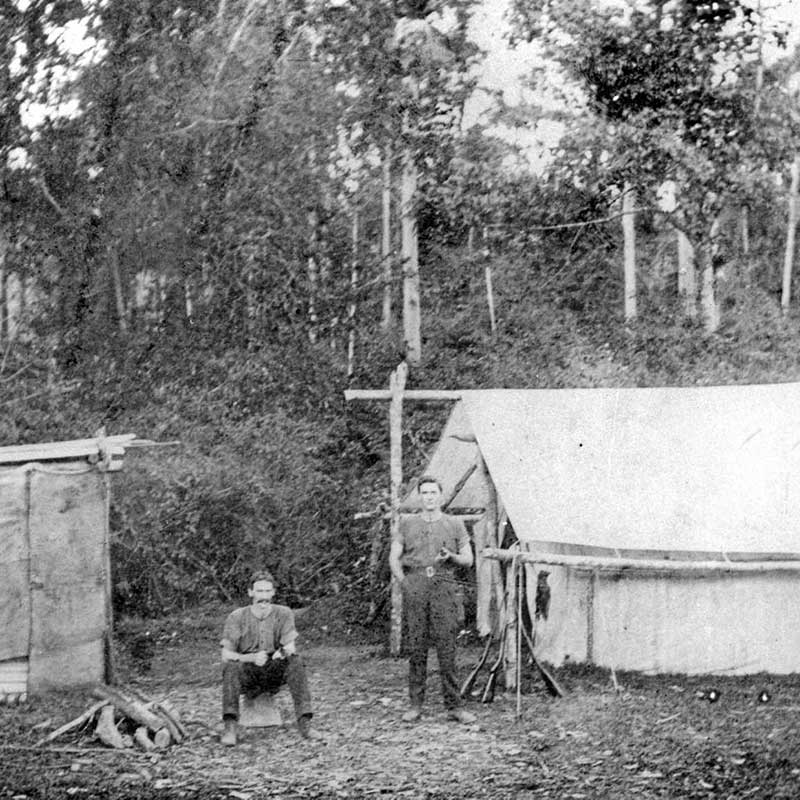
The story of this place begins deep within the forests of the Sunshine Coast hinterland, where towering cedar trees, early timber camps, and the journeys of explorers helped shape the community of Woombye.
Originally known as Middle Camp, and later Cobb’s Camp, the town of Woombye takes its name from the local Aboriginal word “wombai.” The word refers to the black myrtle tree—commonly known as the lilly pilly (Eugenia smithii)—as well as the axe handles traditionally crafted from its strong timber.
Much has changed since 1862, when explorer Tom Petrie first ventured into the area by longboat. At that time, vast virgin forests that had grown for thousands of years covered the region. These dense forests soon attracted timber cutters to Queensland’s North Coast in search of the highly prized cedar and other valuable timbers.
Petrie travelled north to establish a cedar camp, beginning at the North Pine River and exploring toward Mooloolah and Maroochy in search of large cedar trees. His party crossed Maroochy Bar and journeyed several miles up the river before eventually turning into a creek on the left. There they established a camp along its banks—what we now know today as Petrie Creek.
Posted onTrustindex verifies that the original source of the review is Google. Beautiful 2 night stay. It rained the whole weekend and it was a perfect place to be cosied up. So peaceful, and well designed. All the best parts of a tent and a cabin combined, very spacious! We loved that we could have all the windows open and it was still completely private! The screens kept the mozzies out, the fireplace kept us warm, and the breakfast basket was well supplied for a very decent couple of meals. Massage on our first night was the perfect start to the experience!Posted onTrustindex verifies that the original source of the review is Google. Beautiful personal location, felt like was well away from the world, even though there is so much to do and so much so close! The nature surrounding the area was extremely lovely, perfect glampingPosted onTrustindex verifies that the original source of the review is Google. Absolutely stunning luxury tent in a beautiful location. My stay was incredibly peaceful and relaxing, with the joy of rumbling storms at night while I was safely curled up in the tent. It was amazing! The he breakfast platter was great and highly recommend it. Cannot wait to go back for another visit in winter to utilise the incredible fireplace. Sam was very helpful and discrete and the booking and check in process were easily. Highly, highly recommend a visit.Posted onTrustindex verifies that the original source of the review is Google. Amazing!!!! Beautiful private location. Super relaxing stay in gorgeous accommodation. Definitely recommend.Posted onTrustindex verifies that the original source of the review is Google. I loved my stay at Starry Nights Camping 😍 The location is peaceful and beautiful, I had a beautiful clear night sky, the setting was perfect for stargazing. The facilities are really clean and thoughtfully set up, and the hosts are super friendly, responsive, and make everything really easy. Highly recommend for a relaxing getaway, I will definitely be back for another stay!!Posted onTrustindex verifies that the original source of the review is Google. We have stayed here many times, as it’s our perfect escape from our busy lives in Brisbane. A peaceful and relaxing experience of which we are always envious! Sam and his wife were very accommodating during our check-in day and it was great to have a chat and hear about the exciting changes to expect in the near future. We will definitely be coming back again! See you soon! Nick and EmmaPosted onTrustindex verifies that the original source of the review is Google. Have never had a stay like this definitely did not disappoint the scenery was beautiful the whole place was worth the stay the owners were very welcoming and no text was unanswered. Will definitely be booking againPosted onTrustindex verifies that the original source of the review is Google. Great tent, super clean and high quality. Sam is extremely nice and helpful, great recommendations. Can’t beat the location: the best gateway to major hinterland activities! There is also a common play room which is really great for family, we loved our stay here, will be back :-)Posted onTrustindex verifies that the original source of the review is Google. Having stayed at several luxury camping locations in Queensland, Starry Nights is one of my favourites! The location is both convenient to nearby towns and tourist attractions, yet the property is private and quiet. The tents are spacious and come with all the amenities needed including an equipped kitchen, comfortable king sized bed and a claw foot bath. Best of all, the tents have a centrally fitted fireplace that can be rotated, allowing guests to admire a roaring fire from anywhere in the tent. Communication both prior and during the stay was perfect and the owners are accommodating and welcoming. This was not the first stay at Starry Nights and it certainly won't be the last. A highly recommended location to switch off and relax.Posted onTrustindex verifies that the original source of the review is Google. This was amazing I absolutely loved my little getaway here. It is definitely a great experience of glamping! I definitely recommend this amazing place. The cabin/tent had a beautiful fireplace which was definitely used as we went in winter, a nice big bathtub which was used that’s for sure, a beautiful big comfy bed and lounge to relax and unwind. It’s truly a beautiful place to stay.Verified by TrustindexTrustindex verified badge is the Universal Symbol of Trust. Only the greatest companies can get the verified badge who has a review score above 4.5, based on customer reviews over the past 12 months. Read more